
Property Management · Proptech
Preventive Maintenance That Targets the Right Assets
Preventive maintenance works best when we stop treating every asset the same. For commercial property teams, the goal is not simply to inspect more often. The goal is to identify where repeated...
Preventive maintenance works best when we stop treating every asset the same. For commercial property teams, the goal is not simply to inspect more often. The goal is to identify where repeated issues are already telling us something useful.
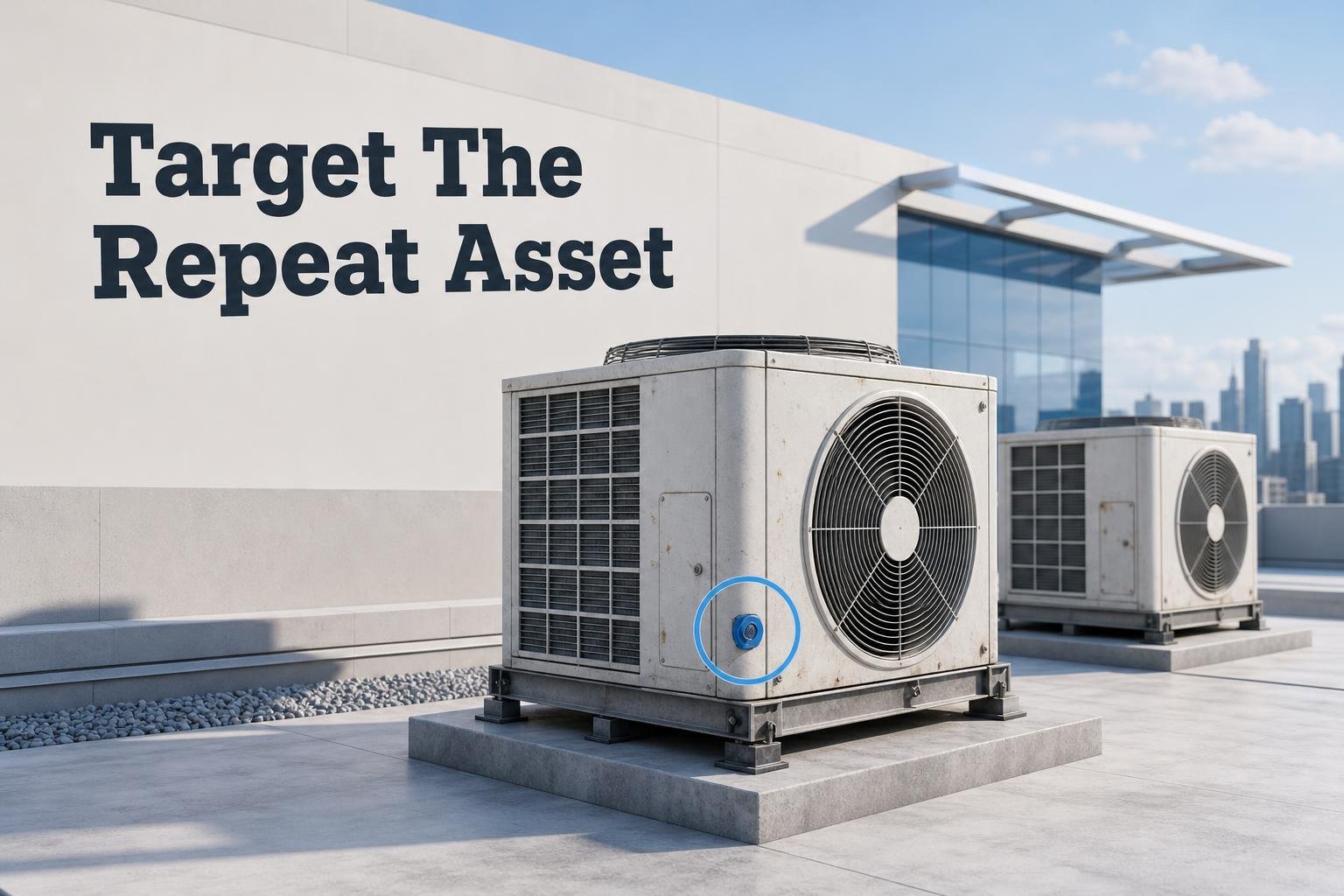
At Effinest, we see the same pattern across commercial property operations: the assets that keep generating work orders are the ones that deserve attention first. A rooftop unit that appears again and again in tickets is not just another line item. It is a signal. When we respond to that signal early, we reduce disruption for tenants and avoid unnecessary scrambling for the team.
Start With the Asset That Keeps Calling for Help
The most practical question is not, “What can we inspect more often?” It is, “Which asset keeps creating the same call?” That shift matters because it moves preventive maintenance away from a broad routine and toward a focused response.
If one piece of equipment keeps showing the same symptom, that is where the next scheduled check should begin. Review the last few tickets, look for the repeated issue, and place preventive work before the next complaint lands. This approach does not require a bigger maintenance program. It requires a smarter one.
Why Narrower Preventive Work Creates Less Noise
Broad inspection schedules can add activity without always adding value. When every asset gets the same level of attention, the team can end up spending time on equipment that is not driving the most trouble. Meanwhile, the asset that is already signaling risk stays in reactive mode.
Targeted preventive maintenance helps us use time and labor where the cost of waiting is already visible. That makes the schedule more efficient and the response more useful. Instead of creating more noise across the portfolio, we create a smaller, clearer maintenance plan that reflects actual operating conditions.
This is especially relevant in commercial property management, where tenant experience and operational stability are both on the line. A narrower move can often do more than a broader one when it is aimed at the right equipment.
From Reactive to Preventive Without Adding Complexity
The transition from reactive to preventive does not have to mean more meetings, more inspections, or more complexity. It can start with a simple review of recurring work orders and a decision to act on the pattern that is already visible.
That is the operational advantage: we are not guessing where the next issue will be. We are using the maintenance history to guide the next step. Over time, that creates a more disciplined approach to facility operations and a better balance between service delivery and workload.
For commercial property managers and real estate operators, this is a practical way to improve maintenance performance without expanding the schedule unnecessarily. It is a focused method, and it aligns well with how efficient operations should work.
If we want preventive maintenance to deliver real value, we need to place it where it matters most. That means listening to the assets that keep speaking up and responding before the next call becomes a disruption. For more on how Effinest approaches commercial property operations, visit Effinest.
For teams building more efficient maintenance strategies, the right starting point is often the most repetitive one. Learn more about our approach at our website.

