
Property Management · Proptech
Why Portfolio Views Should Stay Simple
In commercial property management, the portfolio view is supposed to make work easier. It should help teams see what matters, decide quickly, and move without digging through unnecessary detail....
In commercial property management, the portfolio view is supposed to make work easier. It should help teams see what matters, decide quickly, and move without digging through unnecessary detail. But when a portfolio screen tries to capture every exception, every note, and every edge case, it stops doing its job.
At that point, the view becomes more of a storage layer than an operational tool. It may contain a lot of information, but it no longer helps a manager understand what to do next. For multi-site operations, that is a real problem. If the team cannot look at the shared view and decide on next steps in under a minute, the view is carrying too much.
The portfolio view should answer three questions
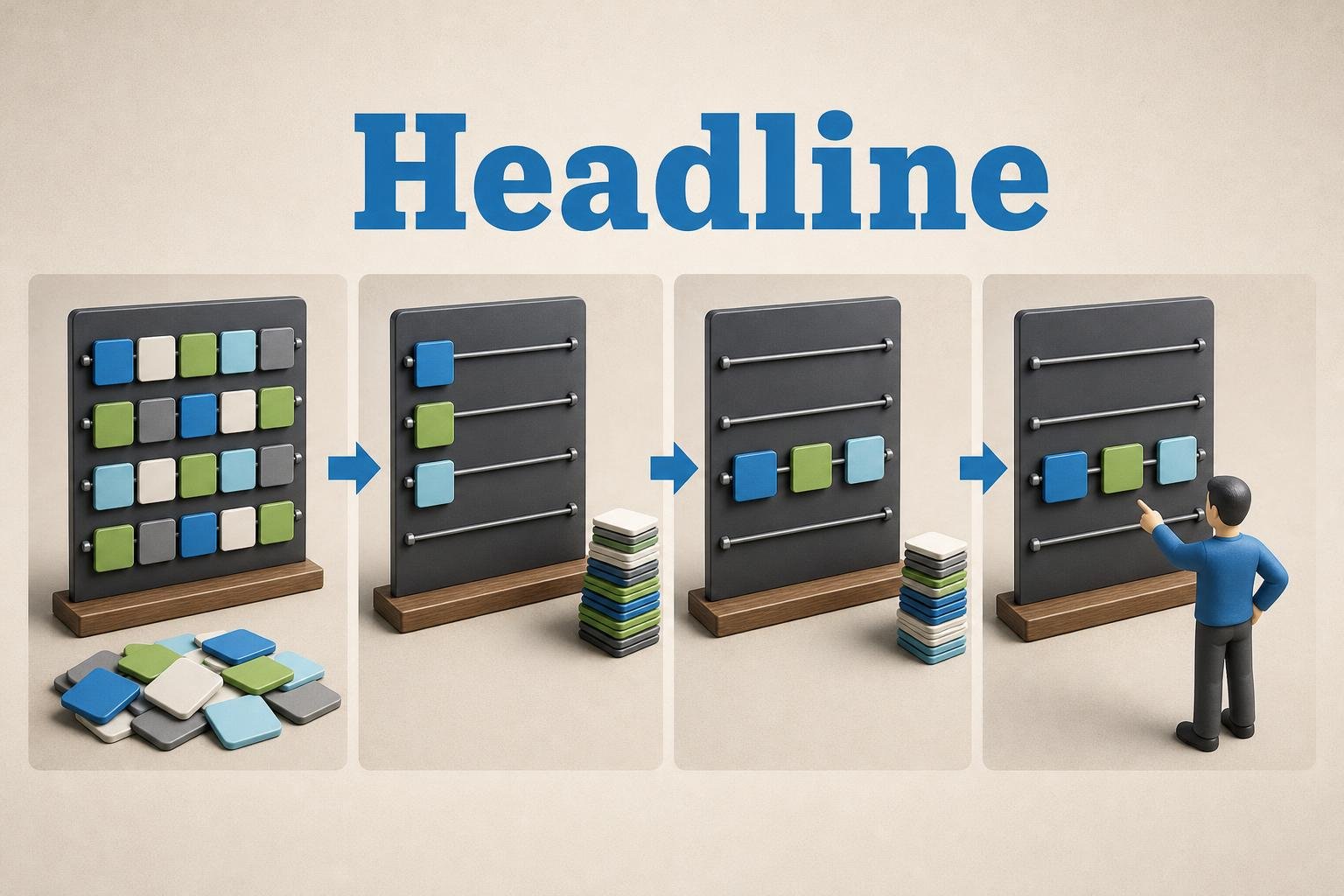
A useful shared view does not need to show everything. It needs to show the right things. For our operations, the simplest test is whether the view answers three questions:
What is overdue? What is blocked? What needs a decision today?
Those three questions are enough to guide attention across a portfolio. They help managers see where action is needed without forcing them to sort through every site-level detail. That is the difference between a view that looks complete and a view that actually supports operations.
Keep detail where it belongs
The site record is where the detail belongs. That is where teams can store the notes, context, and specifics that matter to a single property. The portfolio screen should not become a catch-all for every update from every location. When that happens, the most important items get buried.
By keeping the shared view limited, we make space for clarity. Managers can focus on the issues that need attention now, while the site record holds the deeper context for follow-up. This structure supports better decisions without asking the portfolio view to do too much.
Attention is the real value
For commercial real estate operators, the goal is not to display the most information. The goal is to direct attention well. A portfolio view should help the team choose what to work on next, not serve as a permanent archive of every property note.
That distinction matters because attention is limited. When the interface is crowded, the team spends more time interpreting than acting. When the view is focused, the next step becomes obvious. That is what makes a portfolio screen reliable.
At Effinest, we think about operational clarity in exactly that way. The best tools do not ask teams to sift through noise. They help them move with confidence. A simple, focused portfolio view supports that kind of work and keeps multi-site operations aligned around action.
For teams looking to build cleaner workflows and stronger visibility across properties, the right starting point is often a better structure, not more detail. Learn more at Effinest.
When a portfolio view is designed to answer the right questions, it becomes something people rely on. That is the standard worth aiming for in commercial property operations. For more on our approach, visit our website.

